



creator revenue concept
Creative release engine
A product concept for helping creative entrepreneurs earn more from the work they already make by using smarter release windows, fan groups, bundles, and staged access.
A release should not just disappear into the feed
I am exploring a concept for a new tool for creative entrepreneurs. The basic idea is simple: creative people need better ways to earn money from the work they already make.
Streaming is useful for distribution, but for most people it is not a real business model. Touring and live work can help, but there are obvious limits. Membership tools like Patreon can work, but often feel like begging and create a lot of extra work.
Non-fungible tokens had real potential for digital ownership and collectability, but became too technical, too hyped, and too full of scams.
The biggest artists already release differently
Look at K-pop, Taylor Swift, Kanye, major labels, fashion houses, games, film studios. They use early access, limited editions, fan clubs, bundles, exclusive drops, alternate versions, staged releases, and smart timing.
A release is not just something they upload. It becomes an event.
The problem is that this usually takes a whole team: managers, labels, marketers, designers, data people, and tech people. Smaller creative entrepreneurs do not have that machine behind them.
The fan home as release surface
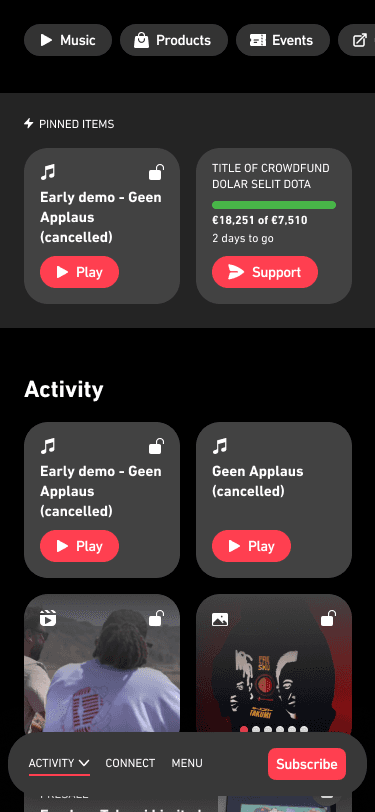
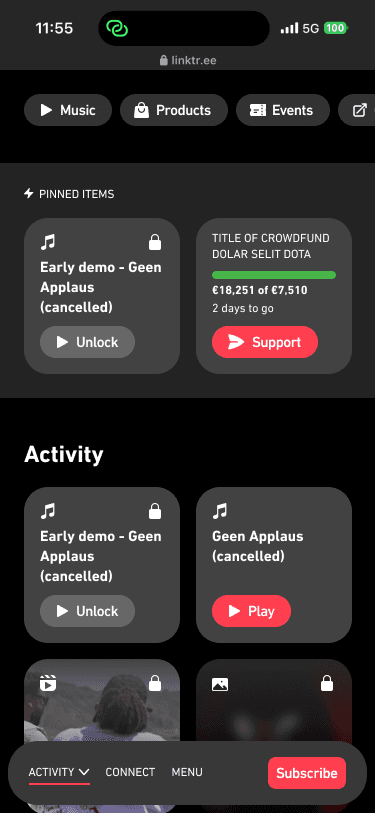
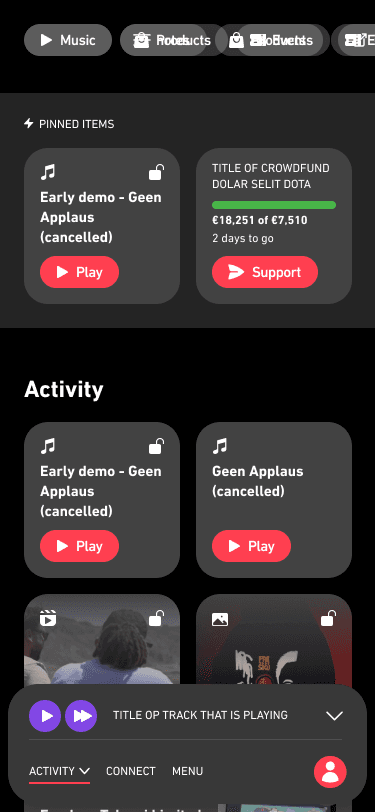
The homepage becomes the release calendar
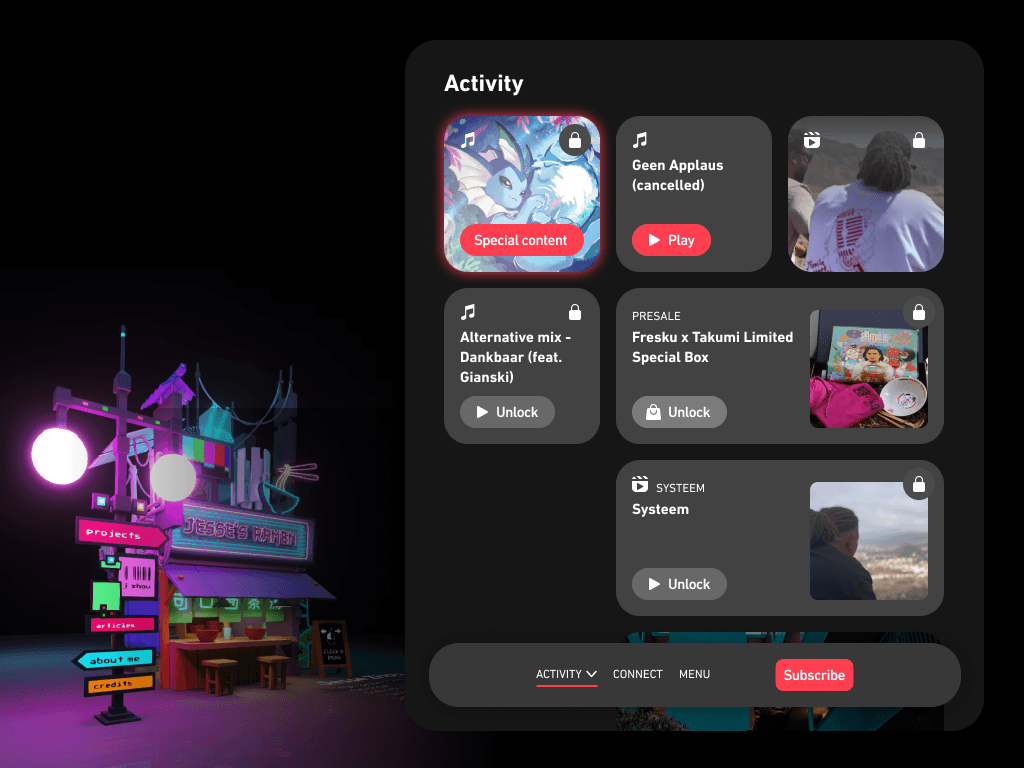
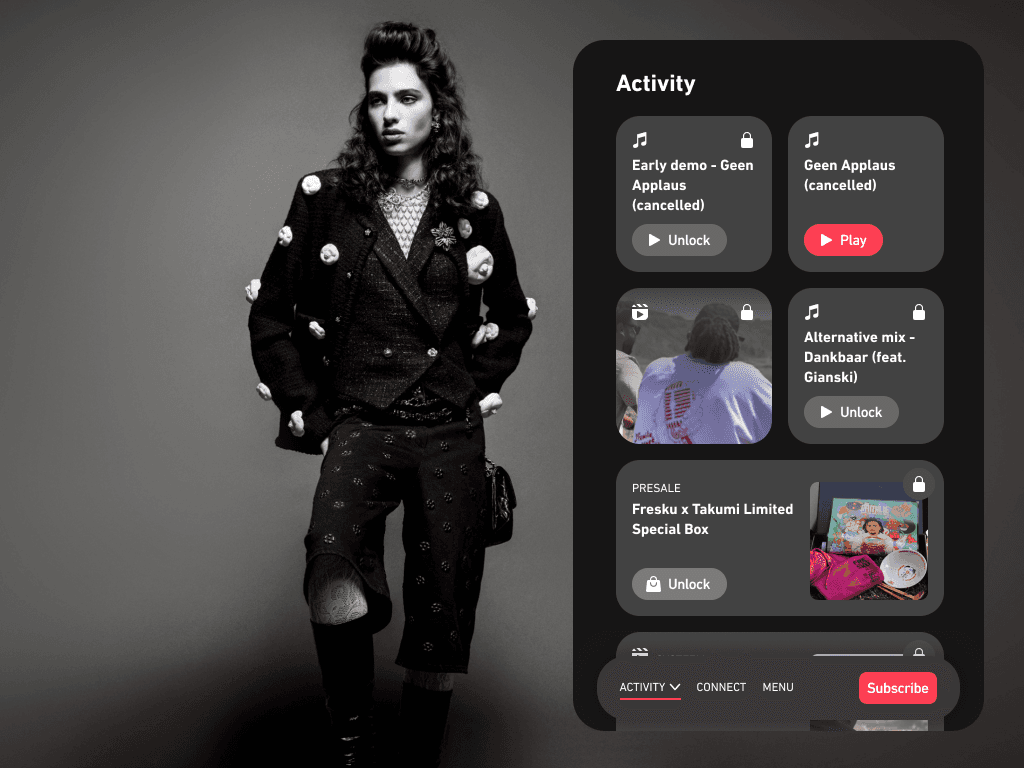
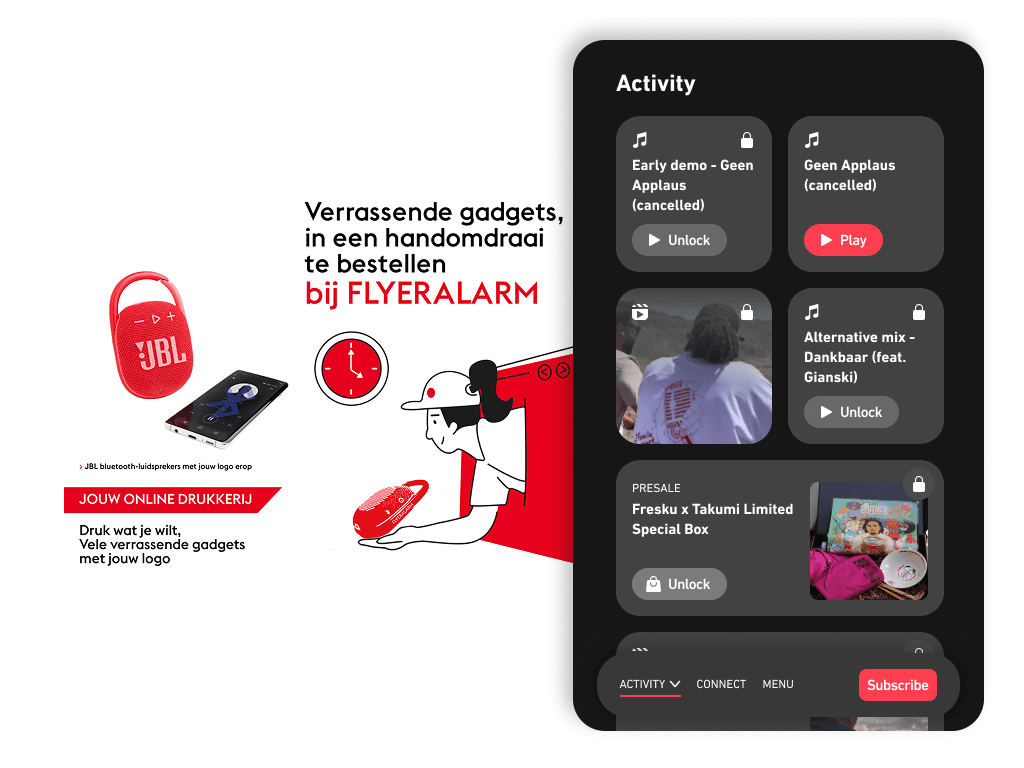
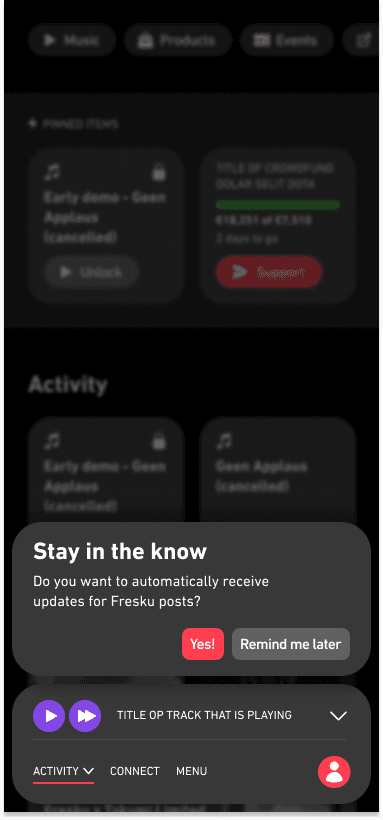
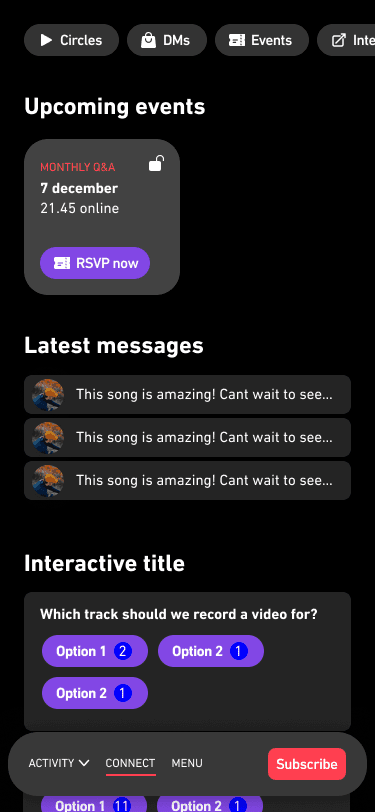
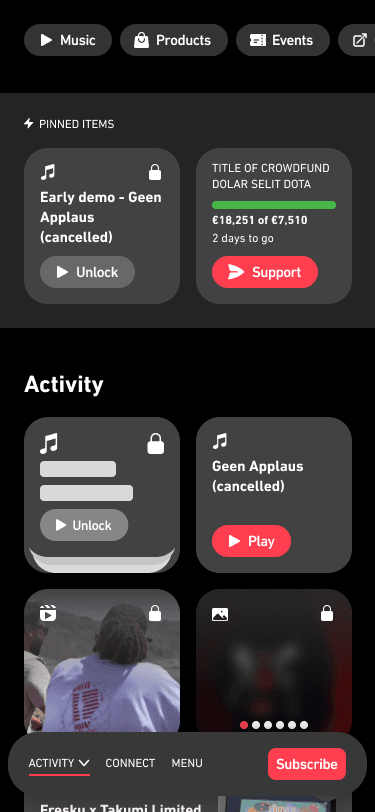
The screenshots keep circling around one product idea: the fan home should not be a passive archive. It should show what is live, what is early, what is locked, what is about to drop, and what fans can do next.
That is why music, products, support, video, member updates, and collector-style rewards sit in one place. The system is not asking creators to invent more work. It is helping them shape the same work into a better sequence.
The first idea is windowing
The first idea I am most interested in is windowing: releasing work in stages to different groups of fans.
Your biggest fans might get something first. Paying members might get extras. Collectors might get a limited edition. The wider audience still gets access later, but the value has already been built around the release.
Instead of sending work into the digital void and hoping the algorithm cares, one release can become multiple moments.
A teaser. An early drop. A member version. A limited edition. A public release. A live moment. A collector reward. A reason to talk about it again.
Same work. More value. Better timing. Better fan experience.
Cards for different fan moments
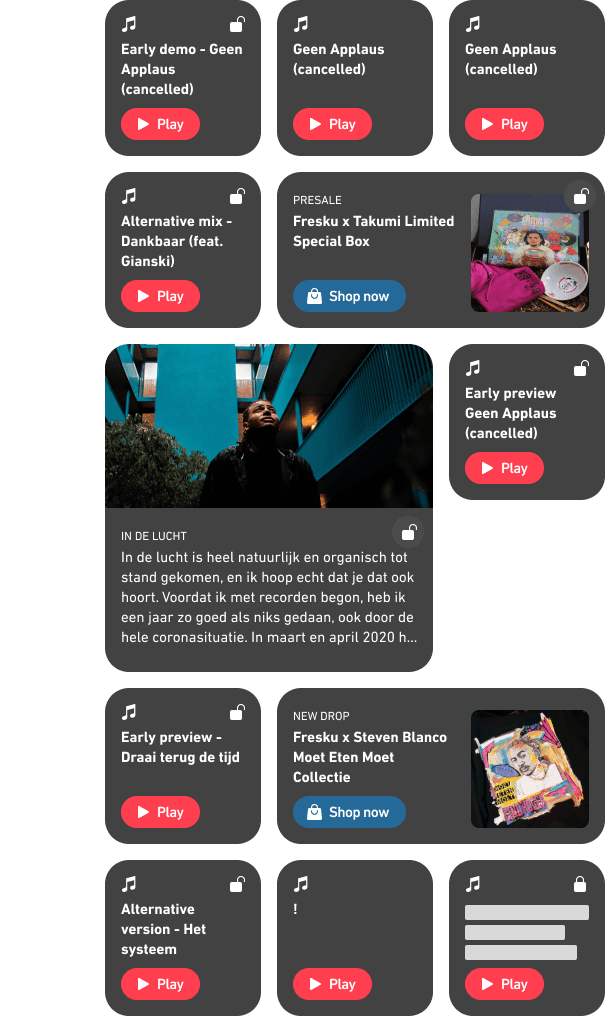
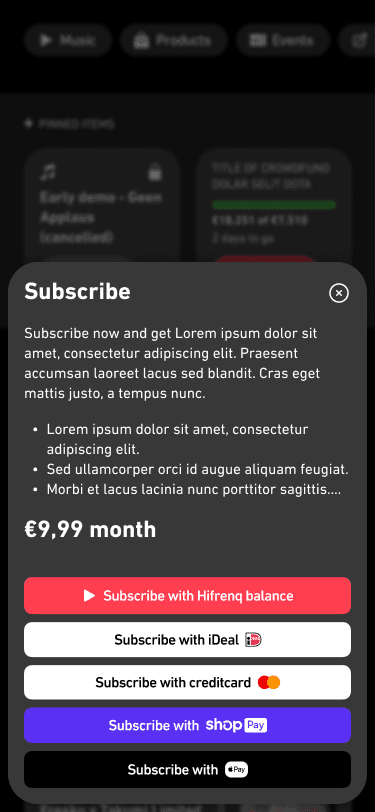
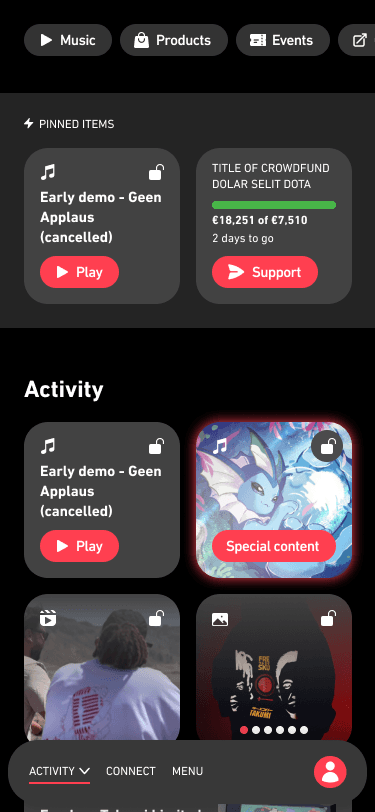
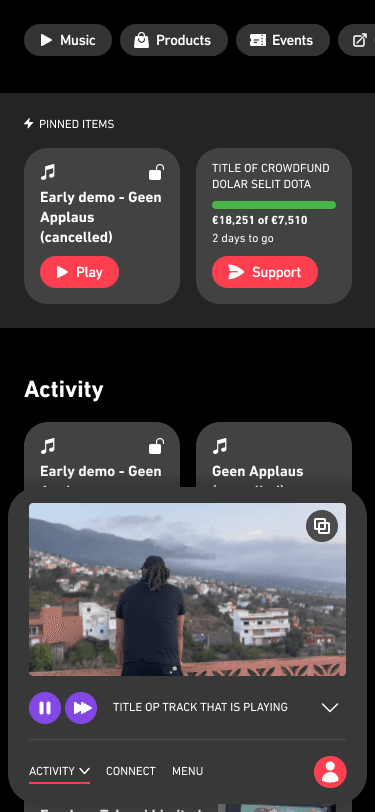
Core mechanic
One release becomes multiple moments
A teaser, an early drop, a member version, a limited edition, a public release, a live moment, and a collector reward can all come from the same creative work.
Different cards, one release story
A release engine needs more than one content shape. A song, a video, a merchandise box, a presale, a support moment, and a behind the scenes update all need slightly different treatment.
The important part is that the creator does not have to manage those as separate campaigns. The product can help decide which moment goes to which fan group, when it becomes public, and what follow-up should happen next.
Locked, unlocked, and ready for later
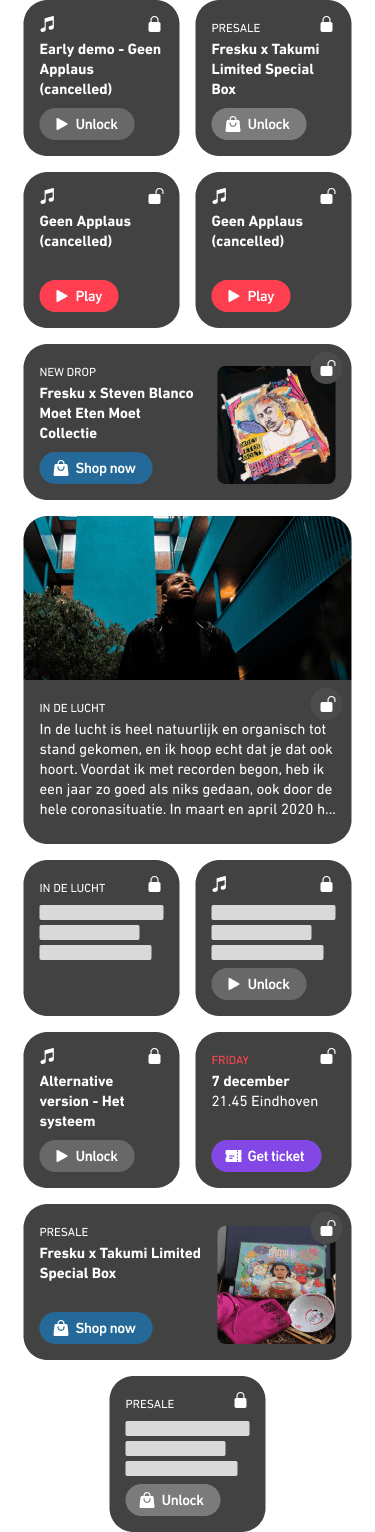
The boring state machine is the product
A lot of the value lives in small operational states: locked, unlocked, presale, early access, public, member-only, sold out, coming soon, and ready to remind people again.
Those states are not glamorous, but they are exactly what a team would normally coordinate behind the scenes. Making them visible and manageable is what turns the concept from a moodboard into a tool.
Can we help creative entrepreneurs earn more without making them feel like they are begging for support? And can we make fans feel less like customers and more like part of the story?
The question behind the concept
The creator still makes the work
The role of artificial intelligence would not be to replace the creator. The creator still makes the work.
The artificial intelligence helps with the boring operational layer: planning release windows, creating fan groups, suggesting bundles, moving content through different stages, writing updates, keeping track of what happens next, and making the whole thing easier to manage.
I have not built the product yet. There is no code. But I have been thinking about this space for a long time, and I have explored a lot of the user experience, product flows, and screenshots around how this could work.
I am especially interested in talking to people from the creative sector who recognize this problem: artists, musicians, labels, managers, designers, writers, filmmakers, agencies, platforms, investors, and people who understand the business side of creativity.
That is the concept: a smarter release engine for creative work. One that helps creators build anticipation, reward their best fans, collaborate better, and create new revenue around the work they already care about.
The longer screens are there on purpose
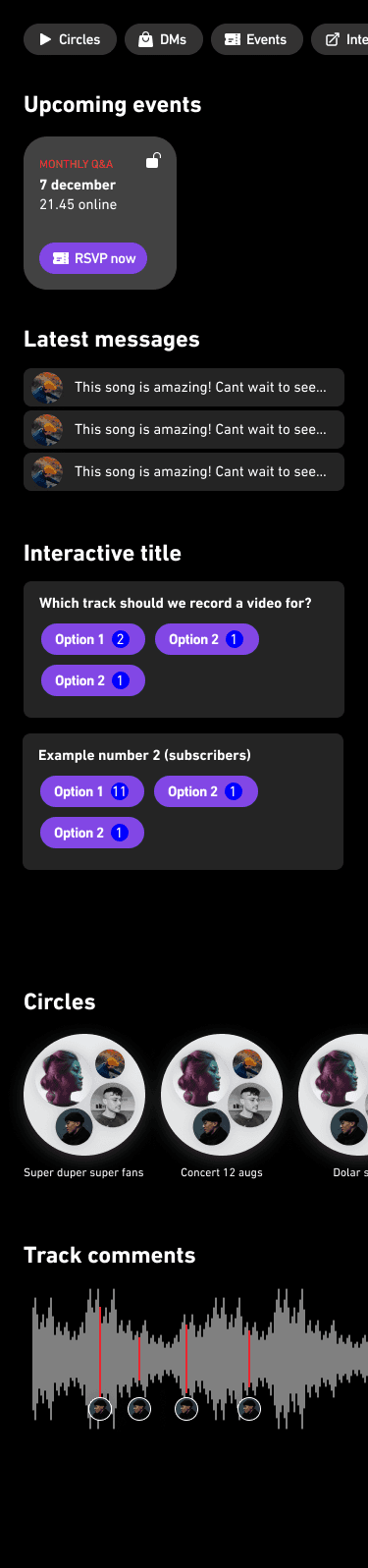
The tall screenshots are useful because they show whether the idea still holds once the first card is gone. A real release flow has to keep working while people scroll through old moments, new drops, locked rewards, and context around why something matters.
That is also the point of showing every screenshot here. This is not a polished product yet, but the set is enough to make the product questions concrete: what does the creator need to manage, what does the fan need to understand, and where can the system quietly do the work in between?